Monsoon Homes

Kerala’s monsoon shaped how we think about home. Heavy rains and shifting seasons taught us that a house must breathe, drain, and endure – every roofline, eave, and material begins with one question: how will this hold up when the rains come?

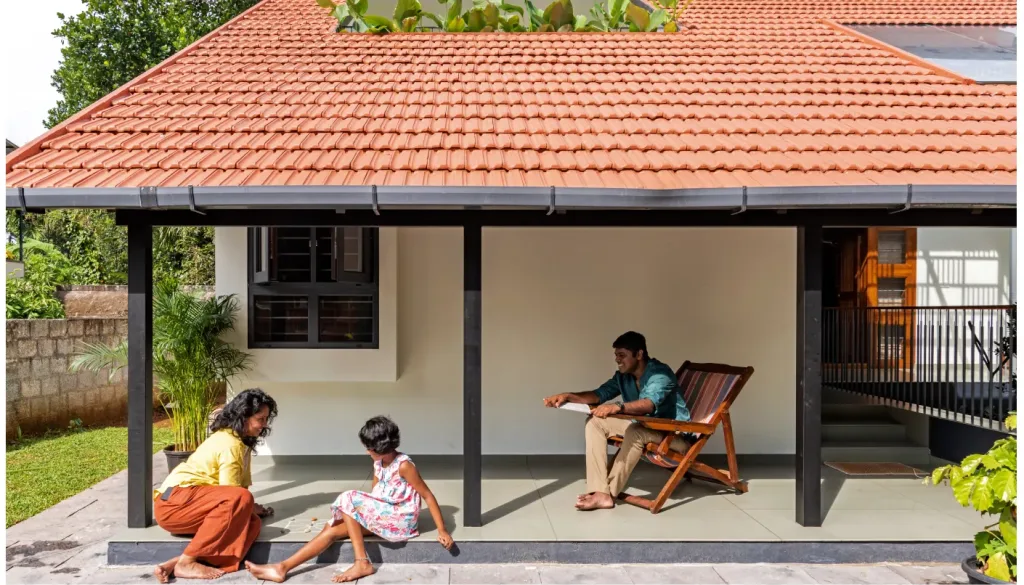
We blend traditional wisdom with practical design: deep verandas, natural ventilation, layouts that work with the land, not against it. Each house holds its own story, best appreciated through the experiences and memories it creates rather than long explanations. What is a home, after all, if not something to remember?

From the rains of Kerala to every line we draw, our journey has been about listening, adapting, and finding balance – still evolving, still in rhythm with the monsoon.


Designing for Monsoon

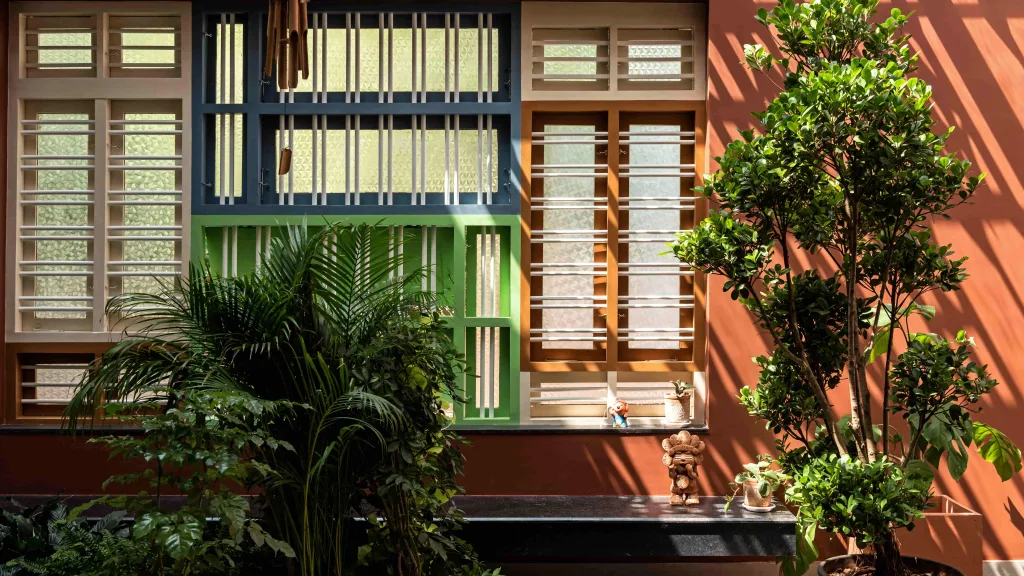
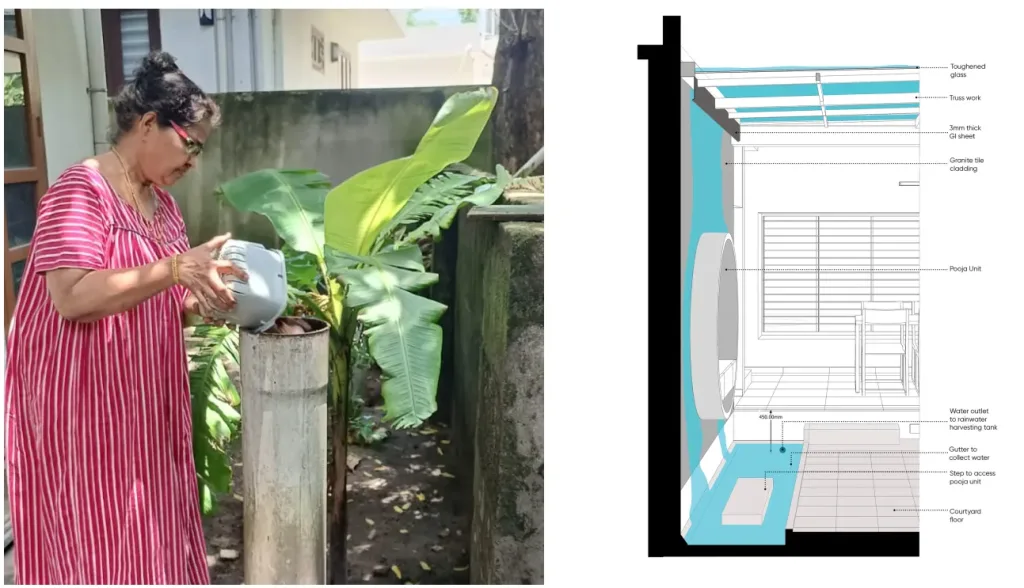
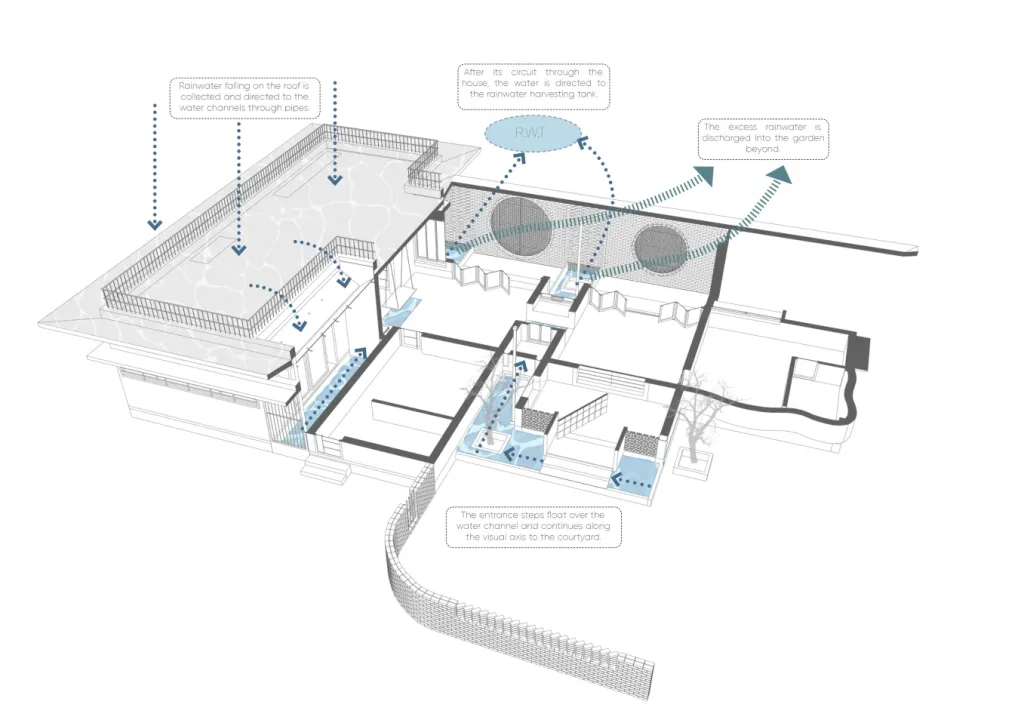
Each home is shaped to respond to the rain, not resist it. Rooflines guide water where it belongs; channels weave through courtyards and corridors, turning runoff into a visible rhythm. Brick, steel, and wood hold their character wet or dry, catching light differently through the seasons. Openings draw in the breeze before a storm and frame the stillness after. Water becomes part of the architecture itself – not kept out, but invited in as a quiet collaborator.

Climate Responsive Design

Kerala’s climate – heavy monsoons, high humidity, intense heat between rains – shapes every decision. Homes are oriented to catch prevailing breezes and shaded from harsh sun, reducing the need for artificial cooling. Elevated plinths keep interiors dry; cross-ventilation keeps them cool. Breathable materials like brick and laterite regulate humidity naturally, so the home works with the climate, not against it.

Sustainable Materials

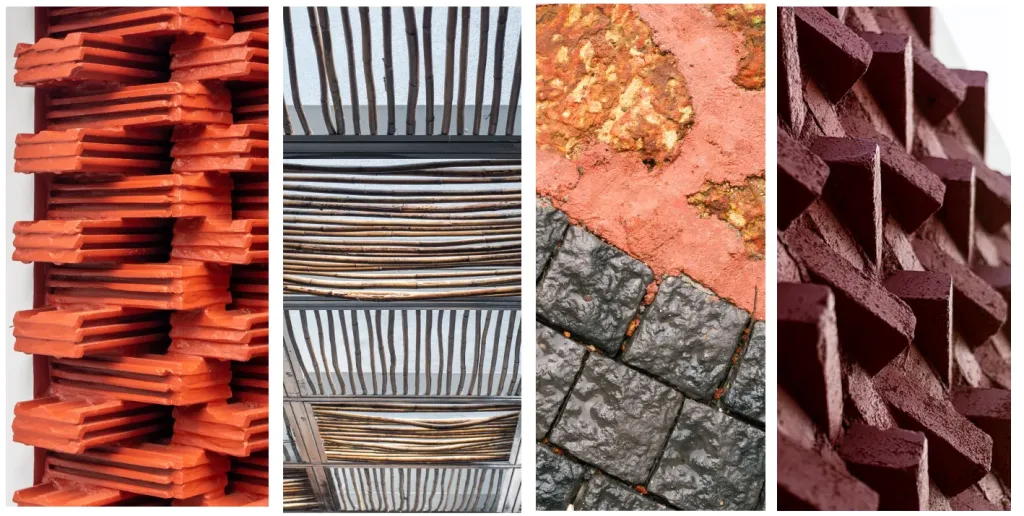
We choose materials for honesty, durability, and how gracefully they age. Steel, brick, terracotta, and reclaimed wood are selected for character as much as strength — surfaces that weather and deepen with time. Construction techniques minimise material consumption without compromising structural integrity, and finishes stay honest, letting materials speak for themselves. The result is architecture that feels grounded, sustainable, and true to its place.

Living Sustainably

Sustainability isn’t an afterthought – it’s ingrained in our design philosophy. Our team brings expertise in traditional earth techniques alongside advanced simulation tools for daylight and energy performance. Every project begins with passive design: maximising ventilation, optimising daylight, minimising heat gain. Being from the monsoon lands, we harness rain and reimagine what already exists rather than starting from waste. For us, sustainability isn’t a checklist – it’s a way of building that endures.

Giving back to Earth

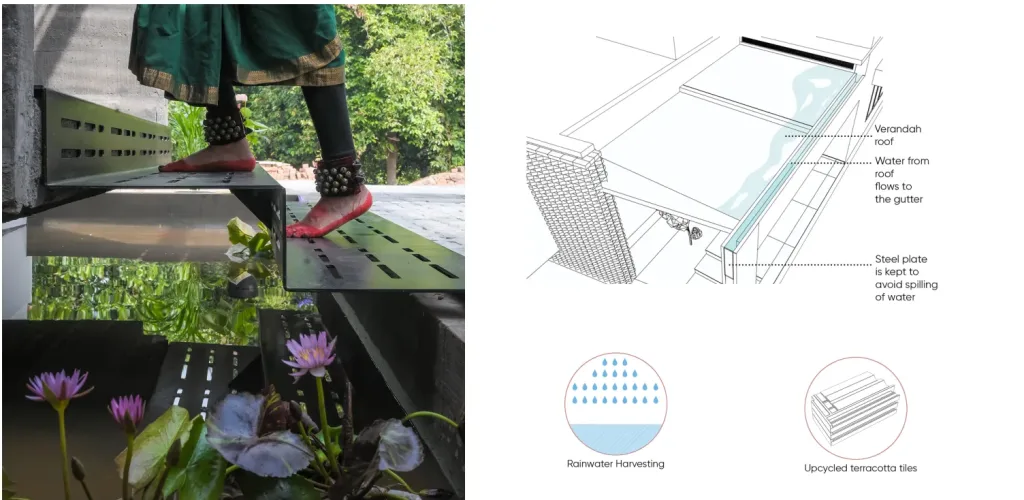
Rainwater falling on the roof is collected and guided through channels, past courtyards and verandahs, into the rainwater harvesting tank. Gutters catch runoff from every roof edge; steel plates along the channels keep water contained. Once the tank is full, excess water returns to the garden rather than going to waste. Even small details – like upcycled terracotta tiles – reflect the same principle: nothing wasted, everything designed to circulate, replenish, and give back.

Every Monsoon Home is designed on-site, for its site – no two respond to the rain in quite the same way.